•  

Geiko, maiko in Kyoto start work in 2026

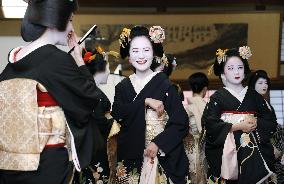
KYOTO, Japan, Jan. 8 Kyodo - Geiko traditional entertainers and their Maiko apprentices, wearing formal attire, greet each other ahead of a ceremony in Kyoto on Jan. 7, 2026, marking their first business day of the year. (Kyodo)

  •  
Geiko, maiko in Kyoto start work in 2026

Geiko, maiko in Kyoto start work in 2026

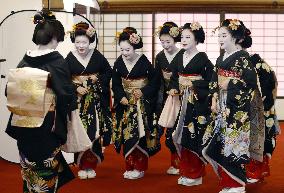
Geiko traditional entertainers and their Maiko apprentices, wearing formal attire, prepare to take part in a ceremony in Kyoto, western Japan, on Jan. 7, 2026, marking their first business day of the year.

  •  
Geiko, maiko in Kyoto start work in 2026

Geiko, maiko in Kyoto start work in 2026

Geiko traditional entertainers and their Maiko apprentices, wearing formal attire, greet each other ahead of a ceremony in Kyoto on Jan. 7, 2026, marking their first business day of the year.

  •  
Geiko, maiko in Kyoto start work in 2026

Geiko, maiko in Kyoto start work in 2026

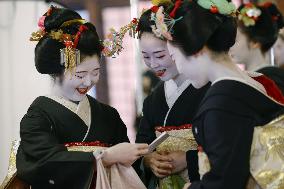
Maiko, apprentices of Geiko traditional entertainers, wearing formal attire, chat ahead of a ceremony in Kyoto, western Japan, on Jan. 7, 2026, marking their first business day of the year.

  •  
Geiko, maiko in Kyoto start work in 2026

Geiko, maiko in Kyoto start work in 2026

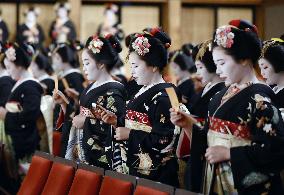
Geiko traditional entertainers and their apprentices Maiko, wearing their formal attire, recite a pledge during a ceremony in Kyoto, western Japan, on Jan. 7, 2026, marking their first business day of the year.

  •  

[Breaking News]New Year's traditional card game ceremony in Kyoto

KYOTO, Japan, Jan. 3 Kyodo - Women dressed in traditional attire from ancient Heian period play karuta traditional card game in a New Year's ceremony at Yasaka shrine in Kyoto on Jan. 3, 2026.

  •  
Ancient court football at Kyoto shrine

Ancient court football at Kyoto shrine

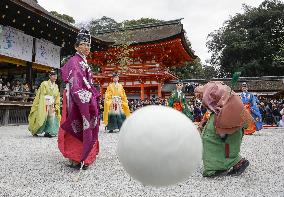
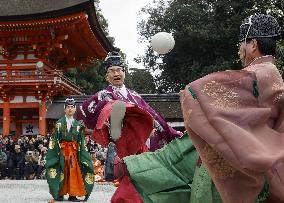
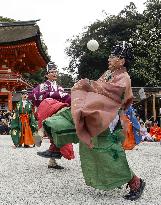
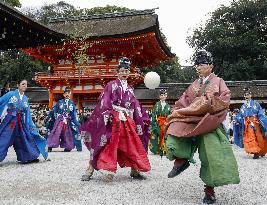
People clad in traditional attire play "kemari," a football game played by nobles in Japan's Heian period (794-1185), at Shimogamo shrine in Kyoto on Jan. 4, 2026.

  •  
Ancient court football at Kyoto shrine

Ancient court football at Kyoto shrine

People clad in traditional attire play "kemari," a football game played by nobles in Japan's Heian period (794-1185), at Shimogamo shrine in Kyoto on Jan. 4, 2026.

  •  
Ancient court football at Kyoto shrine

Ancient court football at Kyoto shrine

People clad in traditional attire play "kemari," a football game played by nobles in Japan's Heian period (794-1185), at Shimogamo shrine in Kyoto on Jan. 4, 2026.

  •  
Ancient court football at Kyoto shrine

Ancient court football at Kyoto shrine

People clad in traditional attire play "kemari," a football game played by nobles in Japan's Heian period (794-1185), at Shimogamo shrine in Kyoto on Jan. 4, 2026.

  •  
Ancient court football at Kyoto shrine

Ancient court football at Kyoto shrine

People clad in traditional attire play "kemari," a football game played by nobles in Japan's Heian period (794-1185), at Shimogamo shrine in Kyoto on Jan. 4, 2026.

  •  
Ancient court football at Kyoto shrine

Ancient court football at Kyoto shrine

People clad in traditional attire play "kemari," a football game played by nobles in Japan's Heian period (794-1185), at Shimogamo shrine in Kyoto on Jan. 4, 2026.

  •  
Ancient court football at Kyoto shrine

Ancient court football at Kyoto shrine

People clad in traditional attire play "kemari," a football game played by nobles in Japan's Heian period (794-1185), at Shimogamo shrine in Kyoto on Jan. 4, 2026.

  •  
Ancient court football at Kyoto shrine

Ancient court football at Kyoto shrine

People clad in traditional attire play "kemari," a football game played by nobles in Japan's Heian period (794-1185), at Shimogamo shrine in Kyoto on Jan. 4, 2026.

  •  
New Year's traditional card game ceremony in Kyoto

New Year's traditional card game ceremony in Kyoto

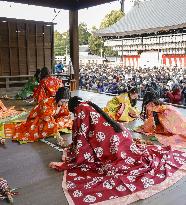
Women dressed in traditional attire from ancient Heian period play karuta traditional card game in a New Year's ceremony at Yasaka shrine in Kyoto on Jan. 3, 2026. ==Kyodo

  •  
New Year's traditional card game ceremony in Kyoto

New Year's traditional card game ceremony in Kyoto

Women dressed in traditional attire from ancient Heian period play karuta traditional card game in a New Year's ceremony at Yasaka shrine in Kyoto on Jan. 3, 2026. ==Kyodo

  •  
New Year's traditional card game ceremony in Kyoto

New Year's traditional card game ceremony in Kyoto

Women dressed in traditional attire from ancient Heian period play karuta traditional card game in a New Year's ceremony at Yasaka shrine in Kyoto on Jan. 3, 2026. ==Kyodo

  •  
New Year Parade in Kathmandu - Nepal

New Year Parade in Kathmandu - Nepal

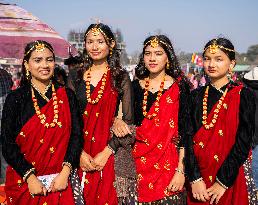
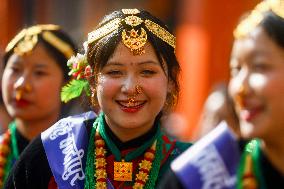
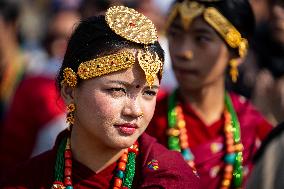
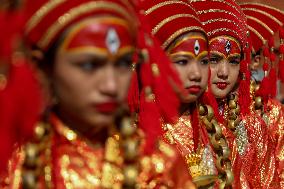
Girls in traditional attire from the Gurung community are pictured during the celebration of Tamu Lhosar festival to mark the commencement of Gurung New Year in Kathmandu, Nepal, on December 30, 2025. Photo by Hari Maharjan/Xinhua/ABACAPRESS.COM

  •  
New Year Parade in Kathmandu - Nepal

New Year Parade in Kathmandu - Nepal

Girls in traditional attire from the Gurung community are pictured during the celebration of Tamu Lhosar festival to mark the commencement of Gurung New Year in Kathmandu, Nepal, on December 30, 2025. Photo by Sulav Shrestha/Xinhua/ABACAPRESS.COM

  •  
New Year Parade in Kathmandu - Nepal

New Year Parade in Kathmandu - Nepal

Girls in traditional attire from the Gurung community are pictured during the celebration of Tamu Lhosar festival to mark the commencement of Gurung New Year in Kathmandu, Nepal, on December 30, 2025. Photo by Sulav Shrestha/Xinhua/ABACAPRESS.COM

  •  
New Year Parade in Kathmandu - Nepal

New Year Parade in Kathmandu - Nepal

Girls in traditional attire from the Gurung community are pictured during the celebration of Tamu Lhosar festival to mark the commencement of Gurung New Year in Kathmandu, Nepal, on December 30, 2025. Photo by Hari Maharjan/Xinhua/ABACAPRESS.COM

  •  
Yomari Punhi Festival - Nepal

Yomari Punhi Festival - Nepal

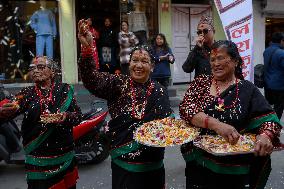
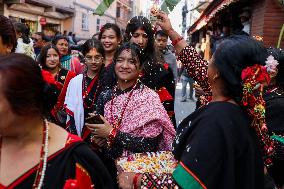
People in traditional attire take part in a rally celebrating Yomari Punhi in Kathmandu, Nepal, on December 4, 2025. Yomari Punhi is a festival especially celebrated by Newar community in Nepal to mark the end of the rice harvest on full moon day. Photo by Sulav Shrestha/Xinhua/ABACAPRESS.COM

  •  
Yomari Punhi Festival - Nepal

Yomari Punhi Festival - Nepal

People in traditional attire take part in a rally celebrating Yomari Punhi in Kathmandu, Nepal, on December 4, 2025. Yomari Punhi is a festival especially celebrated by Newar community in Nepal to mark the end of the rice harvest on full moon day. Photo by Sulav Shrestha/Xinhua/ABACAPRESS.COM

  •  
Yomari Punhi Festival - Nepal

Yomari Punhi Festival - Nepal

People in traditional attire perform during a rally celebrating Yomari Punhi in Kathmandu, Nepal, on December 4, 2025. Yomari Punhi is a festival especially celebrated by Newar community in Nepal to mark the end of the rice harvest on full moon day. Photo by Sulav Shrestha/Xinhua/ABACAPRESS.COM

  •  
Yomari Punhi Festival - Nepal

Yomari Punhi Festival - Nepal

People in traditional attire take part in a rally celebrating Yomari Punhi in Kathmandu, Nepal, on December 4, 2025. Yomari Punhi is a festival especially celebrated by Newar community in Nepal to mark the end of the rice harvest on full moon day. Photo by Sulav Shrestha/Xinhua/ABACAPRESS.COM

  •  
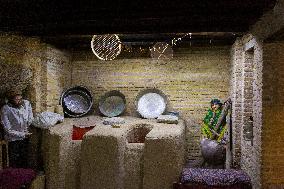
Darougheh Historical House - Iran

Darougheh Historical House - Iran

Two mannequins dressed in traditional attire sit beside a tandoor in a chamber in Darougheh House in Mashhad, Iran, on September 27, 2023. The historic Darougheh House was built in the late Qajar era by order of Yousef Khan Herati, the last darougheh (warden) of Mashhad. It covers approximately 1,100 square meters. Until the 1980s, the heirs of the late Herati resided in this house. Photo by Morteza Aminoroayayi/Middle East Images/ABACAPRESS.COM

  •  
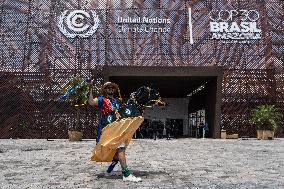
Belem Climate Summit Ahead of The COP30 - Brazil

Belem Climate Summit Ahead of The COP30 - Brazil

A performer wearing traditional attire poses for a photo in front of the COP30 venue in Belem, Brazil, Nov. 6, 2025. UN Secretary-General Antonio Guterres and world leaders on Thursday urged governments to take immediate, decisive actions and make concerted efforts to combat climate change. Photo by Wang Tiancong/Xinhua/ABACAPRESS.COMWang Tiancong

  •  
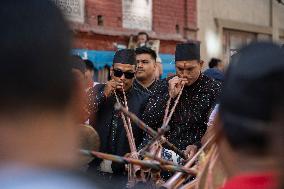
Hadigaun Festival - Nepal

Hadigaun Festival - Nepal

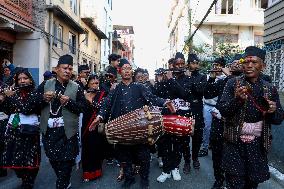
People in traditional attire participate in a music parade during a celebration of the Hadigaun festival in Kathmandu, Nepal, October 8, 2025. The Hadigaun festival is celebrated every year after the Dashain festival. Photo by Hari Maharjan/Xinhua/ABACAPRESS.COM

  •  
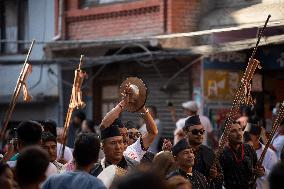
Hadigaun Festival - Nepal

Hadigaun Festival - Nepal

People in traditional attire participate in a music parade during a celebration of the Hadigaun festival in Kathmandu, Nepal, October 8, 2025. The Hadigaun festival is celebrated every year after the Dashain festival. Photo by Hari Maharjan/Xinhua/ABACAPRESS.COM

  •  
Holiday Spots Sighting - China

Holiday Spots Sighting - China

People in traditional Korean attire "Hanbok" visit the Gyeongbokgung Palace in Seoul, South Korea, October 5, 2025. Ancient palaces in Seoul including the Gyeongbokgung Palace are open to the public free of charge from October 3 to 9. Photo by Jun Hyosang/Xinhua/ABACAPRESS.COM

  •  
Indian Kalbeliya Gypsy Dancers Performs - India

Indian Kalbeliya Gypsy Dancers Performs - India

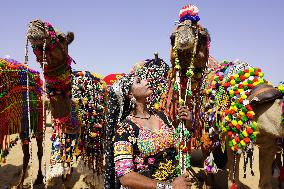
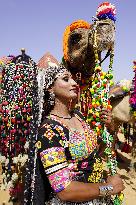
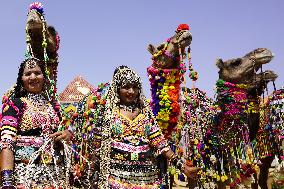
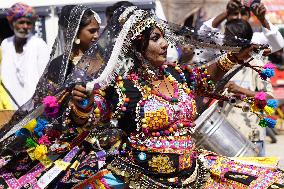
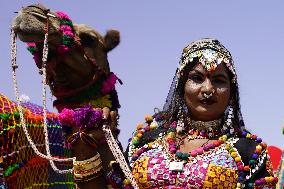
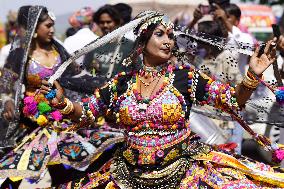
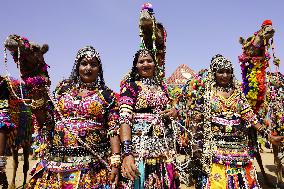
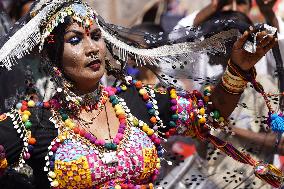
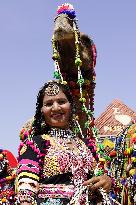
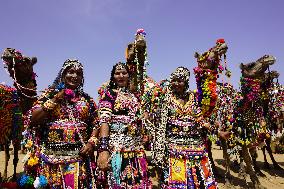
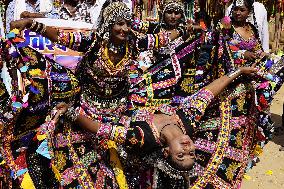
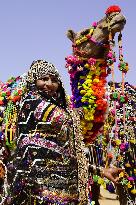
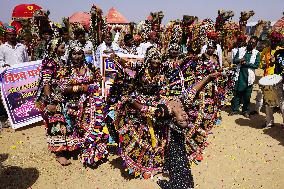
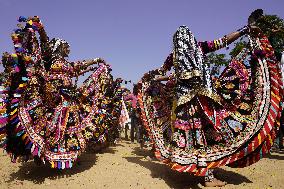
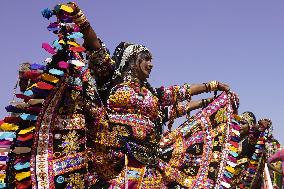
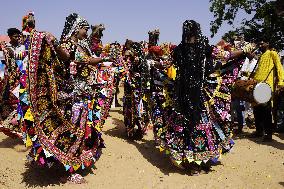
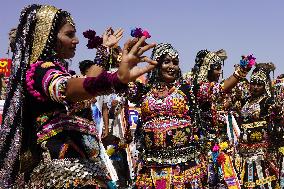
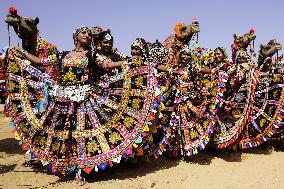
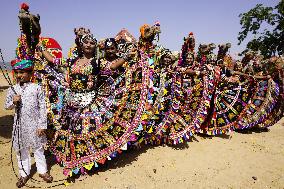
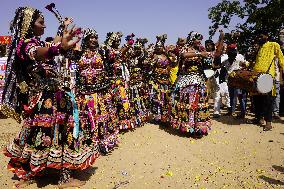
Indian Kalbeliya gypsy dancers Performs during the "World Tourism Day" celebration at the Desert of Pushkar, Rajasthan, India on September 27, 2025. Kalbeliya refers to both a nomadic community of traditional snake-catchers in Rajasthan, India, and a vibrant folk dance performed by this community, also known as the "Snake Charmer Dance" or "Sapera Dance". The dance, which features serpentine movements, traditional instruments like the pungi (snake charmer's pipe), and colorful attire, is a significant part of the Kalbelia tribe's oral history and cultural heritage, recognized by UNESCO as an Intangible Cultural Heritage. Photo by ABACAPRESS.COM

  •  
Indian Kalbeliya Gypsy Dancers Performs - India

Indian Kalbeliya Gypsy Dancers Performs - India

Indian Kalbeliya gypsy dancers Performs during the "World Tourism Day" celebration at the Desert of Pushkar, Rajasthan, India on September 27, 2025. Kalbeliya refers to both a nomadic community of traditional snake-catchers in Rajasthan, India, and a vibrant folk dance performed by this community, also known as the "Snake Charmer Dance" or "Sapera Dance". The dance, which features serpentine movements, traditional instruments like the pungi (snake charmer's pipe), and colorful attire, is a significant part of the Kalbelia tribe's oral history and cultural heritage, recognized by UNESCO as an Intangible Cultural Heritage. Photo by ABACAPRESS.COM

  •  
Indian Kalbeliya Gypsy Dancers Performs - India

Indian Kalbeliya Gypsy Dancers Performs - India

Indian Kalbeliya gypsy dancers Performs during the "World Tourism Day" celebration at the Desert of Pushkar, Rajasthan, India on September 27, 2025. Kalbeliya refers to both a nomadic community of traditional snake-catchers in Rajasthan, India, and a vibrant folk dance performed by this community, also known as the "Snake Charmer Dance" or "Sapera Dance". The dance, which features serpentine movements, traditional instruments like the pungi (snake charmer's pipe), and colorful attire, is a significant part of the Kalbelia tribe's oral history and cultural heritage, recognized by UNESCO as an Intangible Cultural Heritage. Photo by ABACAPRESS.COM

  •  
Indian Kalbeliya Gypsy Dancers Performs - India

Indian Kalbeliya Gypsy Dancers Performs - India

Indian Kalbeliya gypsy dancers Performs during the "World Tourism Day" celebration at the Desert of Pushkar, Rajasthan, India on September 27, 2025. Kalbeliya refers to both a nomadic community of traditional snake-catchers in Rajasthan, India, and a vibrant folk dance performed by this community, also known as the "Snake Charmer Dance" or "Sapera Dance". The dance, which features serpentine movements, traditional instruments like the pungi (snake charmer's pipe), and colorful attire, is a significant part of the Kalbelia tribe's oral history and cultural heritage, recognized by UNESCO as an Intangible Cultural Heritage. Photo by ABACAPRESS.COM

  •  
Indian Kalbeliya Gypsy Dancers Performs - India

Indian Kalbeliya Gypsy Dancers Performs - India

Indian Kalbeliya gypsy dancers Performs during the "World Tourism Day" celebration at the Desert of Pushkar, Rajasthan, India on September 27, 2025. Kalbeliya refers to both a nomadic community of traditional snake-catchers in Rajasthan, India, and a vibrant folk dance performed by this community, also known as the "Snake Charmer Dance" or "Sapera Dance". The dance, which features serpentine movements, traditional instruments like the pungi (snake charmer's pipe), and colorful attire, is a significant part of the Kalbelia tribe's oral history and cultural heritage, recognized by UNESCO as an Intangible Cultural Heritage. Photo by ABACAPRESS.COM

  •  
Indian Kalbeliya Gypsy Dancers Performs - India

Indian Kalbeliya Gypsy Dancers Performs - India

Indian Kalbeliya gypsy dancers Performs during the "World Tourism Day" celebration at the Desert of Pushkar, Rajasthan, India on September 27, 2025. Kalbeliya refers to both a nomadic community of traditional snake-catchers in Rajasthan, India, and a vibrant folk dance performed by this community, also known as the "Snake Charmer Dance" or "Sapera Dance". The dance, which features serpentine movements, traditional instruments like the pungi (snake charmer's pipe), and colorful attire, is a significant part of the Kalbelia tribe's oral history and cultural heritage, recognized by UNESCO as an Intangible Cultural Heritage. Photo by ABACAPRESS.COM

  •  
Indian Kalbeliya Gypsy Dancers Performs - India

Indian Kalbeliya Gypsy Dancers Performs - India

Indian Kalbeliya gypsy dancers Performs during the "World Tourism Day" celebration at the Desert of Pushkar, Rajasthan, India on September 27, 2025. Kalbeliya refers to both a nomadic community of traditional snake-catchers in Rajasthan, India, and a vibrant folk dance performed by this community, also known as the "Snake Charmer Dance" or "Sapera Dance". The dance, which features serpentine movements, traditional instruments like the pungi (snake charmer's pipe), and colorful attire, is a significant part of the Kalbelia tribe's oral history and cultural heritage, recognized by UNESCO as an Intangible Cultural Heritage. Photo by ABACAPRESS.COM

  •  
Indian Kalbeliya Gypsy Dancers Performs - India

Indian Kalbeliya Gypsy Dancers Performs - India

Indian Kalbeliya gypsy dancers Performs during the "World Tourism Day" celebration at the Desert of Pushkar, Rajasthan, India on September 27, 2025. Kalbeliya refers to both a nomadic community of traditional snake-catchers in Rajasthan, India, and a vibrant folk dance performed by this community, also known as the "Snake Charmer Dance" or "Sapera Dance". The dance, which features serpentine movements, traditional instruments like the pungi (snake charmer's pipe), and colorful attire, is a significant part of the Kalbelia tribe's oral history and cultural heritage, recognized by UNESCO as an Intangible Cultural Heritage. Photo by ABACAPRESS.COM

  •  
Indian Kalbeliya Gypsy Dancers Performs - India

Indian Kalbeliya Gypsy Dancers Performs - India

Indian Kalbeliya gypsy dancers Performs during the "World Tourism Day" celebration at the Desert of Pushkar, Rajasthan, India on September 27, 2025. Kalbeliya refers to both a nomadic community of traditional snake-catchers in Rajasthan, India, and a vibrant folk dance performed by this community, also known as the "Snake Charmer Dance" or "Sapera Dance". The dance, which features serpentine movements, traditional instruments like the pungi (snake charmer's pipe), and colorful attire, is a significant part of the Kalbelia tribe's oral history and cultural heritage, recognized by UNESCO as an Intangible Cultural Heritage. Photo by ABACAPRESS.COM

  •  
Indian Kalbeliya Gypsy Dancers Performs - India

Indian Kalbeliya Gypsy Dancers Performs - India

Indian Kalbeliya gypsy dancers Performs during the "World Tourism Day" celebration at the Desert of Pushkar, Rajasthan, India on September 27, 2025. Kalbeliya refers to both a nomadic community of traditional snake-catchers in Rajasthan, India, and a vibrant folk dance performed by this community, also known as the "Snake Charmer Dance" or "Sapera Dance". The dance, which features serpentine movements, traditional instruments like the pungi (snake charmer's pipe), and colorful attire, is a significant part of the Kalbelia tribe's oral history and cultural heritage, recognized by UNESCO as an Intangible Cultural Heritage. Photo by ABACAPRESS.COM

  •  
Indian Kalbeliya Gypsy Dancers Performs - India

Indian Kalbeliya Gypsy Dancers Performs - India

Indian Kalbeliya gypsy dancers Performs during the "World Tourism Day" celebration at the Desert of Pushkar, Rajasthan, India on September 27, 2025. Kalbeliya refers to both a nomadic community of traditional snake-catchers in Rajasthan, India, and a vibrant folk dance performed by this community, also known as the "Snake Charmer Dance" or "Sapera Dance". The dance, which features serpentine movements, traditional instruments like the pungi (snake charmer's pipe), and colorful attire, is a significant part of the Kalbelia tribe's oral history and cultural heritage, recognized by UNESCO as an Intangible Cultural Heritage. Photo by ABACAPRESS.COM

  •  
Indian Kalbeliya Gypsy Dancers Performs - India

Indian Kalbeliya Gypsy Dancers Performs - India

Indian Kalbeliya gypsy dancers Performs during the "World Tourism Day" celebration at the Desert of Pushkar, Rajasthan, India on September 27, 2025. Kalbeliya refers to both a nomadic community of traditional snake-catchers in Rajasthan, India, and a vibrant folk dance performed by this community, also known as the "Snake Charmer Dance" or "Sapera Dance". The dance, which features serpentine movements, traditional instruments like the pungi (snake charmer's pipe), and colorful attire, is a significant part of the Kalbelia tribe's oral history and cultural heritage, recognized by UNESCO as an Intangible Cultural Heritage. Photo by ABACAPRESS.COM

  •  
Indian Kalbeliya Gypsy Dancers Performs - India

Indian Kalbeliya Gypsy Dancers Performs - India

Indian Kalbeliya gypsy dancers Performs during the "World Tourism Day" celebration at the Desert of Pushkar, Rajasthan, India on September 27, 2025. Kalbeliya refers to both a nomadic community of traditional snake-catchers in Rajasthan, India, and a vibrant folk dance performed by this community, also known as the "Snake Charmer Dance" or "Sapera Dance". The dance, which features serpentine movements, traditional instruments like the pungi (snake charmer's pipe), and colorful attire, is a significant part of the Kalbelia tribe's oral history and cultural heritage, recognized by UNESCO as an Intangible Cultural Heritage. Photo by ABACAPRESS.COM

  •  
Indian Kalbeliya Gypsy Dancers Performs - India

Indian Kalbeliya Gypsy Dancers Performs - India

Indian Kalbeliya gypsy dancers Performs during the "World Tourism Day" celebration at the Desert of Pushkar, Rajasthan, India on September 27, 2025. Kalbeliya refers to both a nomadic community of traditional snake-catchers in Rajasthan, India, and a vibrant folk dance performed by this community, also known as the "Snake Charmer Dance" or "Sapera Dance". The dance, which features serpentine movements, traditional instruments like the pungi (snake charmer's pipe), and colorful attire, is a significant part of the Kalbelia tribe's oral history and cultural heritage, recognized by UNESCO as an Intangible Cultural Heritage. Photo by ABACAPRESS.COM

  •  
Indian Kalbeliya Gypsy Dancers Performs - India

Indian Kalbeliya Gypsy Dancers Performs - India

Indian Kalbeliya gypsy dancers Performs during the "World Tourism Day" celebration at the Desert of Pushkar, Rajasthan, India on September 27, 2025. Kalbeliya refers to both a nomadic community of traditional snake-catchers in Rajasthan, India, and a vibrant folk dance performed by this community, also known as the "Snake Charmer Dance" or "Sapera Dance". The dance, which features serpentine movements, traditional instruments like the pungi (snake charmer's pipe), and colorful attire, is a significant part of the Kalbelia tribe's oral history and cultural heritage, recognized by UNESCO as an Intangible Cultural Heritage. Photo by ABACAPRESS.COM

  •  
Indian Kalbeliya Gypsy Dancers Performs - India

Indian Kalbeliya Gypsy Dancers Performs - India

Indian Kalbeliya gypsy dancers Performs during the "World Tourism Day" celebration at the Desert of Pushkar, Rajasthan, India on September 27, 2025. Kalbeliya refers to both a nomadic community of traditional snake-catchers in Rajasthan, India, and a vibrant folk dance performed by this community, also known as the "Snake Charmer Dance" or "Sapera Dance". The dance, which features serpentine movements, traditional instruments like the pungi (snake charmer's pipe), and colorful attire, is a significant part of the Kalbelia tribe's oral history and cultural heritage, recognized by UNESCO as an Intangible Cultural Heritage. Photo by ABACAPRESS.COM

  •  
Indian Kalbeliya Gypsy Dancers Performs - India

Indian Kalbeliya Gypsy Dancers Performs - India

Indian Kalbeliya gypsy dancers Performs during the "World Tourism Day" celebration at the Desert of Pushkar, Rajasthan, India on September 27, 2025. Kalbeliya refers to both a nomadic community of traditional snake-catchers in Rajasthan, India, and a vibrant folk dance performed by this community, also known as the "Snake Charmer Dance" or "Sapera Dance". The dance, which features serpentine movements, traditional instruments like the pungi (snake charmer's pipe), and colorful attire, is a significant part of the Kalbelia tribe's oral history and cultural heritage, recognized by UNESCO as an Intangible Cultural Heritage. Photo by ABACAPRESS.COM

  •  
Indian Kalbeliya Gypsy Dancers Performs - India

Indian Kalbeliya Gypsy Dancers Performs - India

Indian Kalbeliya gypsy dancers Performs during the "World Tourism Day" celebration at the Desert of Pushkar, Rajasthan, India on September 27, 2025. Kalbeliya refers to both a nomadic community of traditional snake-catchers in Rajasthan, India, and a vibrant folk dance performed by this community, also known as the "Snake Charmer Dance" or "Sapera Dance". The dance, which features serpentine movements, traditional instruments like the pungi (snake charmer's pipe), and colorful attire, is a significant part of the Kalbelia tribe's oral history and cultural heritage, recognized by UNESCO as an Intangible Cultural Heritage. Photo by ABACAPRESS.COM

  •  
World Tourism Day Celebration - India

World Tourism Day Celebration - India

Indian Kalbeliya gypsy dancers Performs during the "World Tourism Day" celebration at the Desert of Pushkar, Rajasthan, India on September 27, 2025. Kalbeliya refers to both a nomadic community of traditional snake-catchers in Rajasthan, India, and a vibrant folk dance performed by this community, also known as the "Snake Charmer Dance" or "Sapera Dance". The dance, which features serpentine movements, traditional instruments like the pungi (snake charmer's pipe), and colorful attire, is a significant part of the Kalbelia tribe's oral history and cultural heritage, recognized by UNESCO as an Intangible Cultural Heritage. Photo by Himanshu Sharma/ABACAPRESS.COM

  •  
World Tourism Day Celebration - India

World Tourism Day Celebration - India

Indian Kalbeliya gypsy dancers Performs during the "World Tourism Day" celebration at the Desert of Pushkar, Rajasthan, India on September 27, 2025. Kalbeliya refers to both a nomadic community of traditional snake-catchers in Rajasthan, India, and a vibrant folk dance performed by this community, also known as the "Snake Charmer Dance" or "Sapera Dance". The dance, which features serpentine movements, traditional instruments like the pungi (snake charmer's pipe), and colorful attire, is a significant part of the Kalbelia tribe's oral history and cultural heritage, recognized by UNESCO as an Intangible Cultural Heritage. Photo by Himanshu Sharma/ABACAPRESS.COM

  • Main
  • Top
  • Editorial
  • Creative
  • About Us
  • About ILG
  • Terms of use
  • Company
  • BEHIND
  • Price List
  • Single Plan
  • Monthly Plan
  • Services
  • Shooting
  • Rights Clearance
  • Support
  • FAQ
  • How To Buy
  • Contact Us
  • Become a Partner

© KYODO NEWS IMAGES INC

All Rights Reserved.

  • Editorial
  • Olympics
  • News
  • Sports
  • Japan
  • Tech
  • Royal
  • Disaster
  • NorthKorea
  • Old Japan
  • SNS
  • Creative
  • Food
  • Japan
  • Landscape
  • Animal
  • Popular
  • #Ukraine
  • #Thailand
  • #coronavirus
  • #N. Korea
  • #China
  • #Russia
  • #Ukraine
  • #Thailand
  • #coronavirus
  • #N. Korea
  • #China
  • #Russia
  • Food
  • Japan
  • Landscape
  • Animal
  • Olympics
  • News
  • Sports
  • Japan
  • Tech
  • Royal
  • Disaster
  • NorthKorea
  • Old Japan
  • SNS